
When you first find out you’re pregnant, navigating nutrition can feel overwhelming and even more so if you are eating plant based. All of the unsolocited advice and opinions can make it hard to know where to start. While every individual experience is valuable, one widely shared piece of advice I wholeheartedly reject is the notion that nutrition doesn’t matter during pregnancy—that you can eat whatever you want without consequence. For me, feeling truly nourished throughout my pregnancy was a priority. The first trimester can be especially challenging, so I relied on a few go-to foods that helped me stay nourished, comforted, and satisfied during those early weeks of my pregnancy journey.
1. Soup
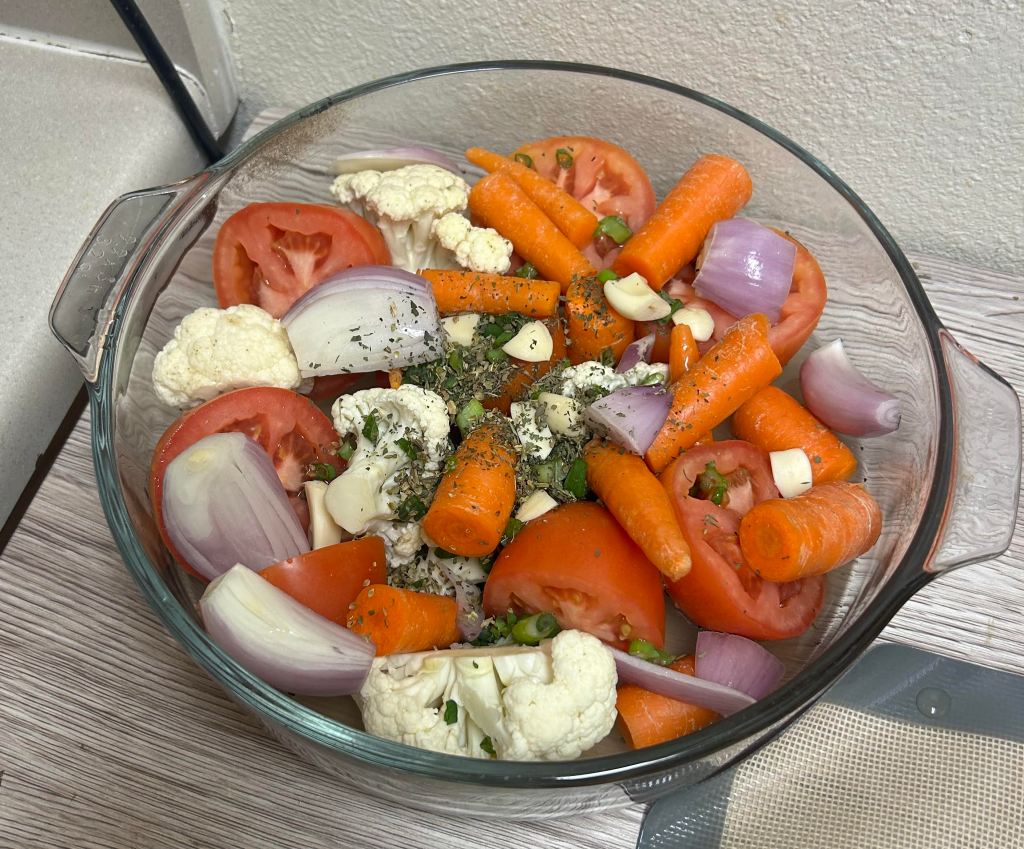
Soup was a lifesaver for me during the first trimester—it was easy to digest, gentle on my stomach, and manageable even on the more nauseous days. It’s also an excellent way to pack in fiber, vitamins, and minerals. When I needed a calorie boost, I’d stir in a little extra olive or avocado oil, and I often added some protein to transform it into a truly nourishing, well-rounded meal or snack. And let’s be honest—there’s just something so soothing and comforting about a warm bowl of soup!
2. Veggies!
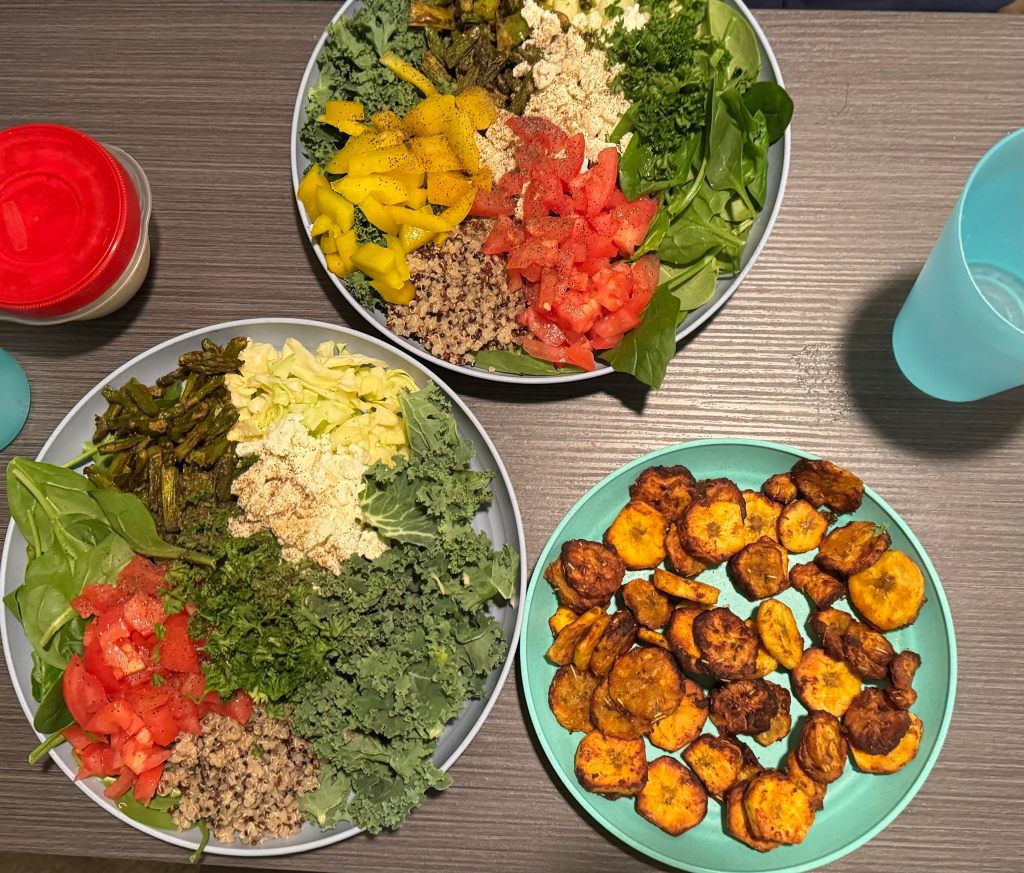
Incorporating a wide variety of fresh, colorful vegetables into your diet during the early months of pregnancy can be incredibly beneficial. Not only do they provide your baby with essential vitamins and nutrients for healthy development, but they also support your body as it adapts to the many changes happening during this time.
3. Squash
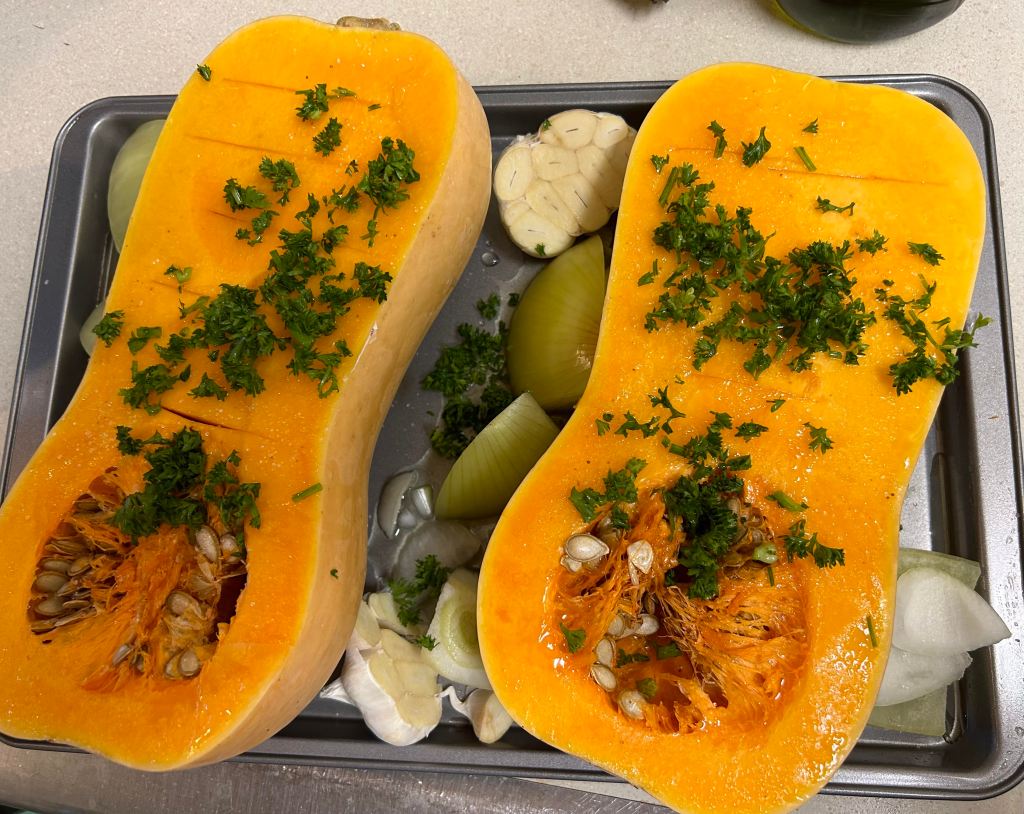
Squash is a nutritional powerhouse and an excellent choice for the first trimester. It is so tasty as a soup, or roasted and tossed in a salad. It is rich in fiber which can help with common first trimester constipation. It’s also a great source of folate (vitamin B9), which is crucial for the development of your baby’s brain and spinal cord. It is also filled with essential vitamins like A, C, and K, and rich in antioxidants which help boost immunity and fight disease. This slow-digesting complex carbohydrate will leave you feeling energized and full throughout the day.
4. Whole Wheat Pasta
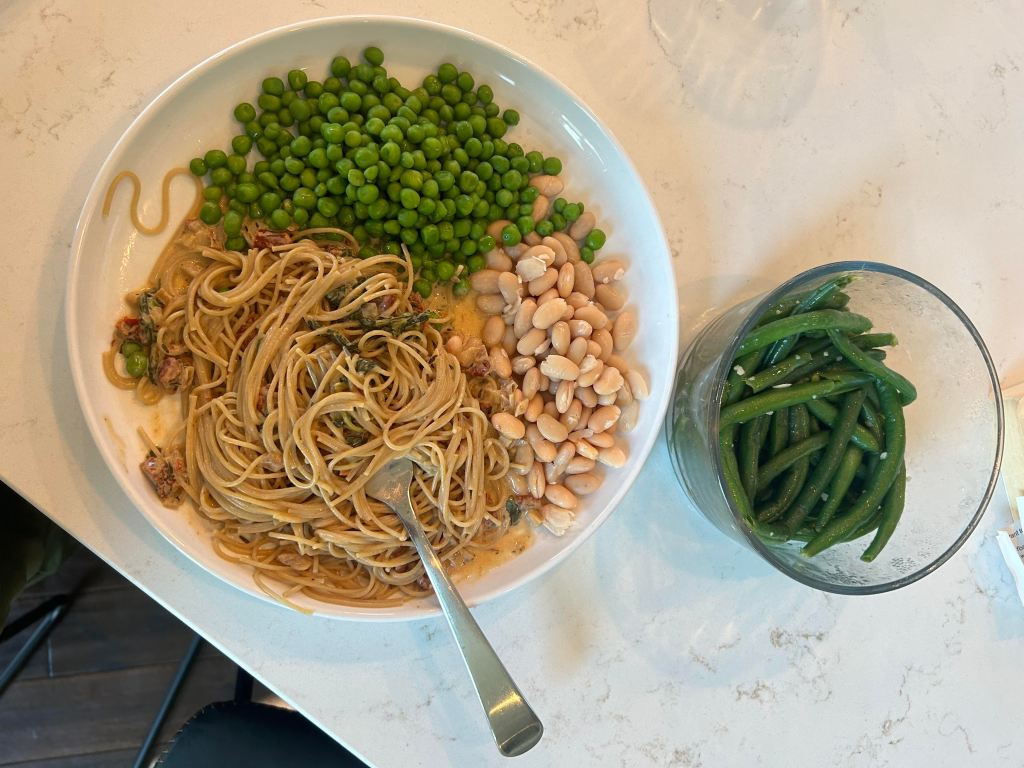
During my first trimester, I craved pasta like crazy—it was warm, comforting, and exactly what I needed. Opting for whole wheat pasta was a game-changer because it’s hearty, satisfying, and packed with nutrients essential for early pregnancy. Whole wheat is a great source of folic acid, which is vital for your baby’s development, as well as iron, selenium, magnesium, and key B vitamins. Plus, with the recommended daily fiber intake during pregnancy being 28 grams, choosing whole wheat options helped me stay full, feel energized, and support my digestive system.
5. Tofu
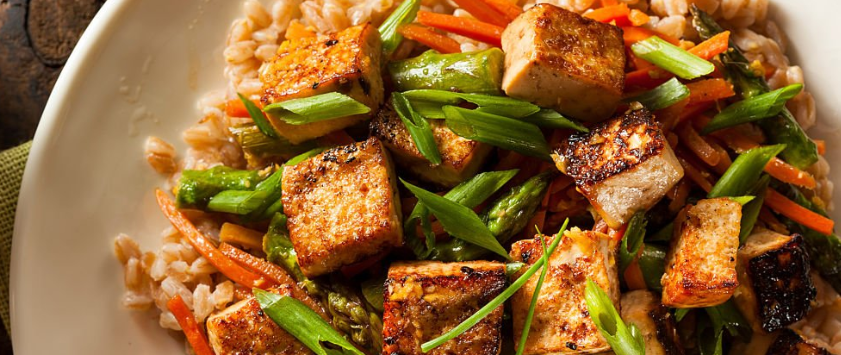
Tofu is a versatile, protein-rich food made from coagulated soy milk that’s pressed into solid blocks, making it a delicious and nutritious source of plant-based protein. Personally, I enjoy using tofu in recipes where it’s traditionally included. During the first trimester, when certain foods can be hard to stomach, silken tofu is an excellent way to discreetly add protein to your diet. It works wonderfully as a substitute for heavy cream, mayonnaise, or sour cream in many recipes. My favorite trick is blending it into soups and pasta sauces for a creamy texture that’s also packed with protein.
6. Beans

Beans are a nutritional powerhouse, rich in folic acid, fiber, and protein, making them an excellent choice for supporting a healthy pregnancy. Their high fiber content helps combat the common first-trimester issue of constipation, caused by increased blood flow to the uterus and reduced blood flow to the digestive system. Additionally, beans are a great source of essential nutrients like zinc, calcium, and magnesium, which play key roles in overall health. Plus, their ability to keep you feeling full and reduce bloating makes them a satisfying addition to your diet. They are also a great source of magnesium which can aid with sleep during pregnancy.
7. Sourdough
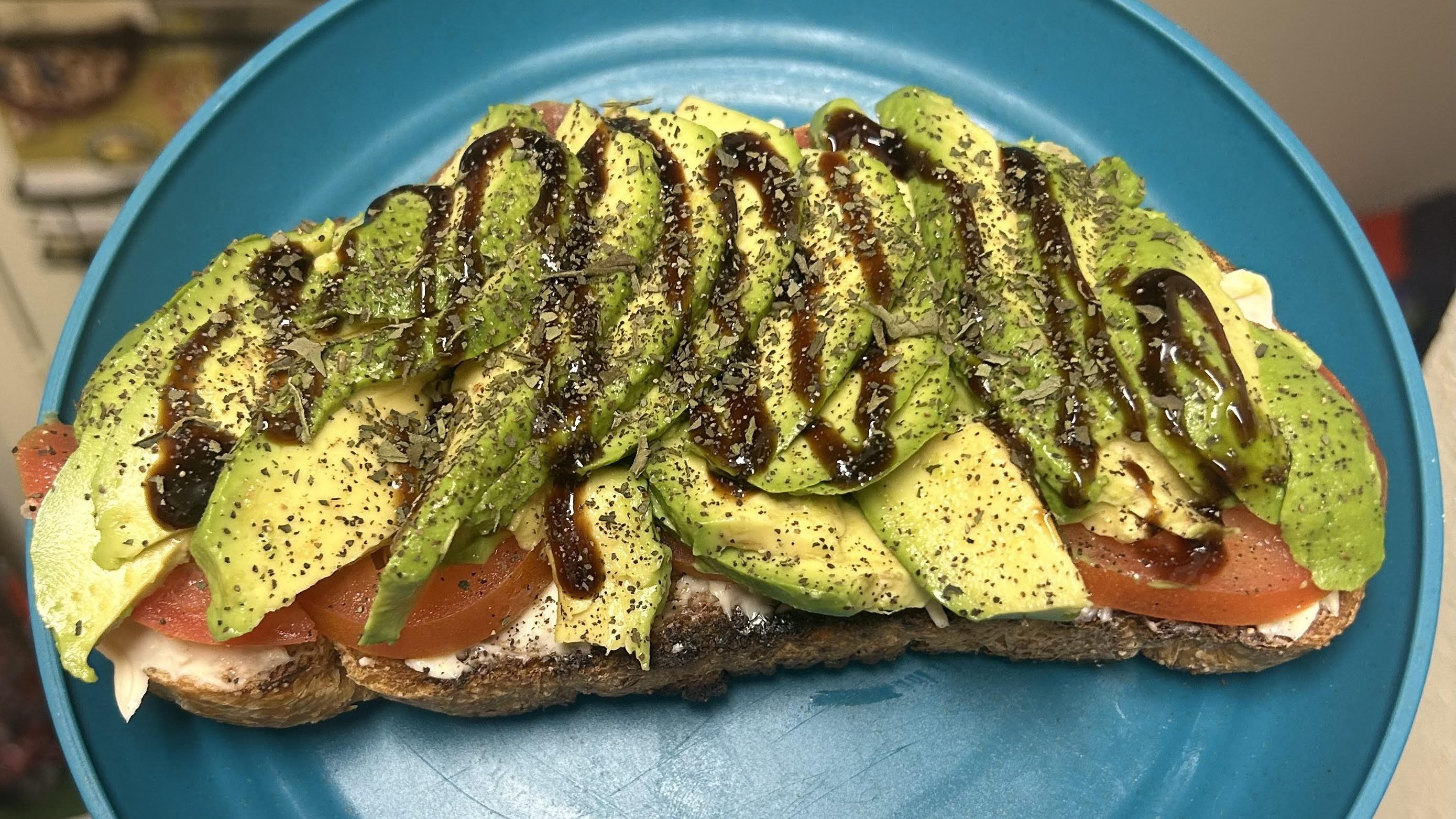
Our health begins in the gut, where the microbiome plays a vital role in nearly every function of the body. Sourdough bread supports gut health by providing probiotics that promote a diverse and balanced gut microbiota, helping to fight off infections, viruses, and other illnesses. This reduces your risk of having to take potentially harmful antibiotics while pregnant. It also aids digestion through its traditional fermentation process, which breaks down gluten in the dough. Depending on the duration of the bulk fermentation, 30–95% of the gluten in the flour can be pre-digested, making the bread easier to digest. This process also lowers the bread’s glycemic index, reducing blood sugar spikes and supporting overall digestive health.
8. Quinoa
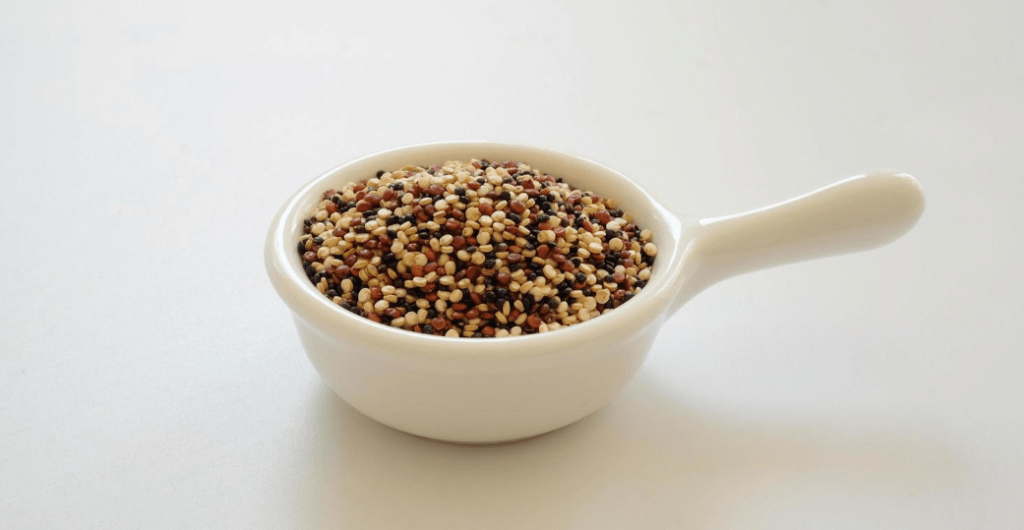
Quinoa is a nutrient-dense superfood, packed with protein, dietary fiber, B vitamins, and essential minerals, often in higher amounts than many other grains. One of its standout nutrients is folic acid, also known as vitamin B9, which is crucial during pregnancy to reduce the risk of neural tube defects like spina bifida. Just 100 grams of quinoa provides enough folic acid to meet the daily requirements for adults, making it an excellent addition to a prenatal diet. Interestingly, cooking methods like boiling or steaming can increase its folate content by 10–15%, further enhancing its nutritional value.
 Nourished by Motion
Leave a comment